

Start with the people who can actually attend
Before asking about menus, prepare two or three combinations of date and time. Ask about availability simply and check which departments would miss each option. The aim is not to let a narrow majority choose the most popular slot, but to identify whether a proposal excludes an entire group because of shifts, customer-facing work or travel.
Include the departure time in your comparison, rather than just arrival. Colleagues living outside Barcelona or returning to another town need to know when the shared part ends. For companies with several locations, lunch after a joint meeting may avoid another journey. For other teams, daily operations only allow everyone to meet at the end of the afternoon.
Explore corporate catering formatsLunch, dinner or afterwork: what changes in practice
Choosing lunch does not require a formal celebration, just as choosing dinner does not mean staying until the early hours. Timing and format are separate decisions. You can hold a cocktail reception at midday or a dinner with an early, clearly announced ending. The invitation should explain the experience that has actually been planned.
An afterwork gathering can suit a team wanting something shorter, but decide whether it replaces dinner or serves as an aperitif. That distinction changes food quantities and expectations. This comparison helps define the brief; it does not describe three commercial packages or a fixed service duration.
| Option | May suit the team when | What to check |
|---|---|---|
| Lunch | Everyone meets at midday or travels from several locations | Shift coverage and any activity afterwards |
| Dinner | The group can gather after the working day | Travel home, finishing time and personal availability |
| Afterwork | A shorter early-evening gathering is preferred | Whether it includes an aperitif or a complete dinner |
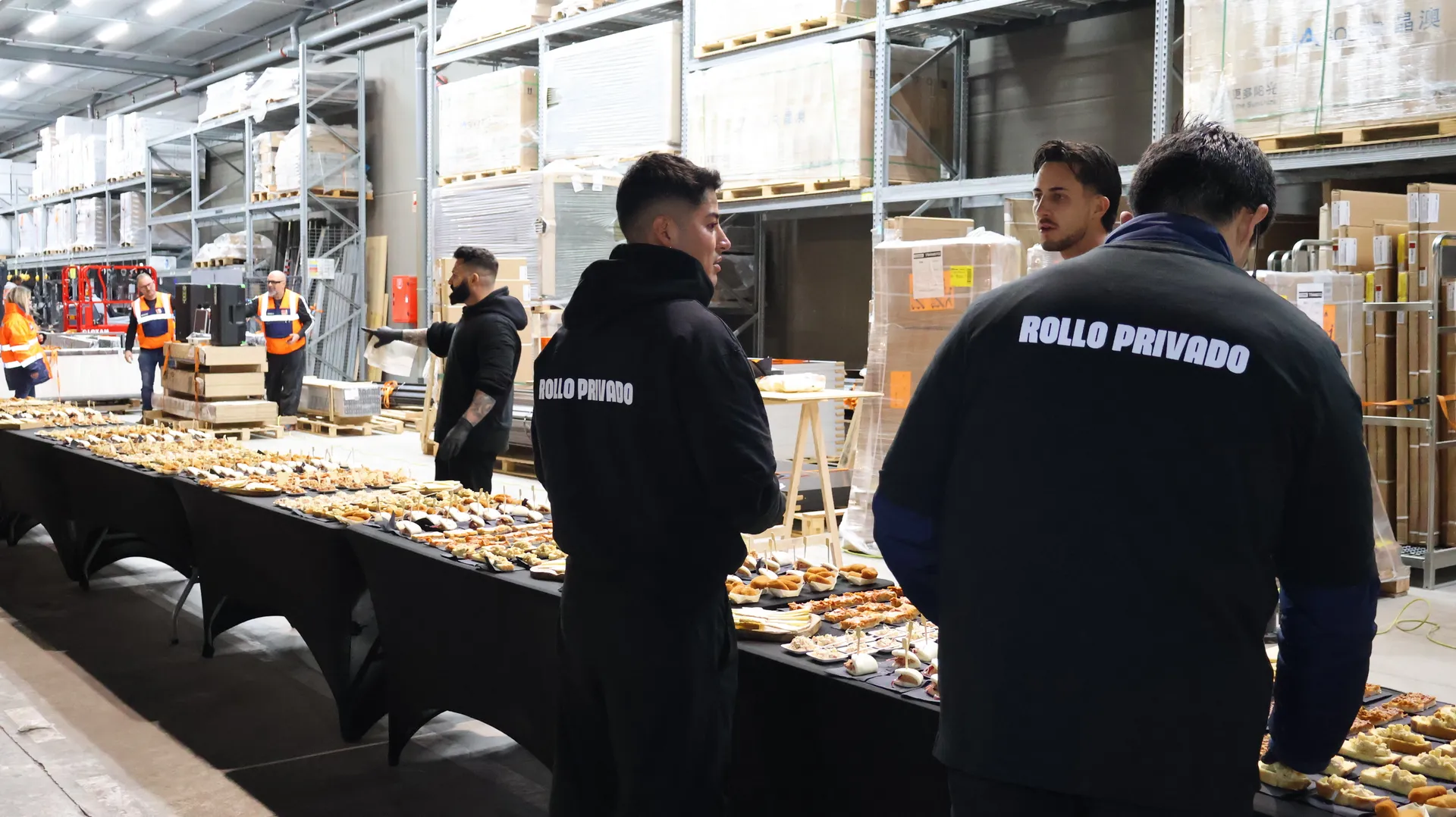
Two example schedules for a fair comparison
To make a useful decision, compare celebrations with the same purpose. If lunch is just a meal while dinner includes four hours of activities, the comparison mixes timing with scope. First map the welcome, shared moment, main service and ending. Then place that sequence in each time slot and see where conflicts appear.
For example, a 13:30 lunch arrival could lead into first bites, a short thank-you before the main course and a sweet finish at 15:30. A dinner using the same structure could start at 19:30 and reach dessert at 21:30. These are illustrative schedules, rather than booked service durations: setup, clear-up and the rest of the programme are agreed separately.
Lunch with a free afternoon
Explain whether the event ends with dessert or includes an optional continuation.
Dinner with an announced ending
State when dinner finishes even if some colleagues choose to continue afterwards independently.
Shifts and staggered arrivals
Check that everyone can take part in the shared moment and receive the agreed meal.
Adapt the menu while keeping the celebration
The hour should not be the only criterion for choosing food. A reception where guests move around needs convenient bites by day and by night. One central preparation, such as a paella or a live-cooking proposal suited to the venue, gives the group a shared moment without making the entire celebration formal.
If an activity follows lunch, share its nature and the available window with the kitchen. If dinner includes awards, reserve an appropriate moment between courses. In both cases, collect dietary requirements and plan alcohol-free choices from the beginning. Visible preparation and the chance to meet can make the event feel special without relying on a long afternoon or evening afterwards.

Compare the whole quote rather than assuming lunch costs less
Changing dinner to lunch does not automatically produce a particular saving. Cost depends on the menu, team, hours, equipment, venue and scope. Ask for two proposals on the same basis if you want to compare times: guests, format, drinks and service duration. You can then identify what really changes between the options.
If you want a participatory experience before the catering, ask about a team-building format and how it could fit the programme. Do not add an activity to the invitation before confirming its conditions. Similarly, an office celebration needs setup and handback arrangements reviewed; having a venue available does not mean all equipment is included.
Explore team-building cateringA short checklist for deciding and communicating clearly
Prioritise the time when colleagues can meet and the format that makes the gathering easiest to enjoy. Before sending invitations, confirm the date, venue and catering availability. Then explain the start, end of the meal, what service includes and how to share dietary requirements. A specific invitation reduces uncertainty and makes attendance easier to plan.
- Compare two or three dates with start and end times
- Review shifts, locations, travel and any groups excluded
- Define whether it is a full lunch, dinner or aperitif
- Place thank-you speeches and possible activities between courses
- Compare quotes with the same service scope
- Agree an indoor alternative if using an outdoor area
- Send a clear invitation with an attendance confirmation date
FAQ
Frequently asked questions
01Is a company Christmas lunch or dinner better?
That depends on actual availability, shifts, travel and purpose. Compare the start and end of both options before confirming the venue and menu.
02Can a company lunch be informal?
Yes. A cocktail reception and live cooking can suit midday when the venue and service allow it. Informality does not depend only on the hour.
03Does a Christmas afterwork event include dinner?
It needs defining. It can be a toast with aperitifs or replace dinner, but the menu and quantities should match what is announced.
04Does switching to lunch guarantee a lower price?
No. Assess cost by comparing the menu, guests, duration, staff, equipment and venue with the same scope in both proposals.